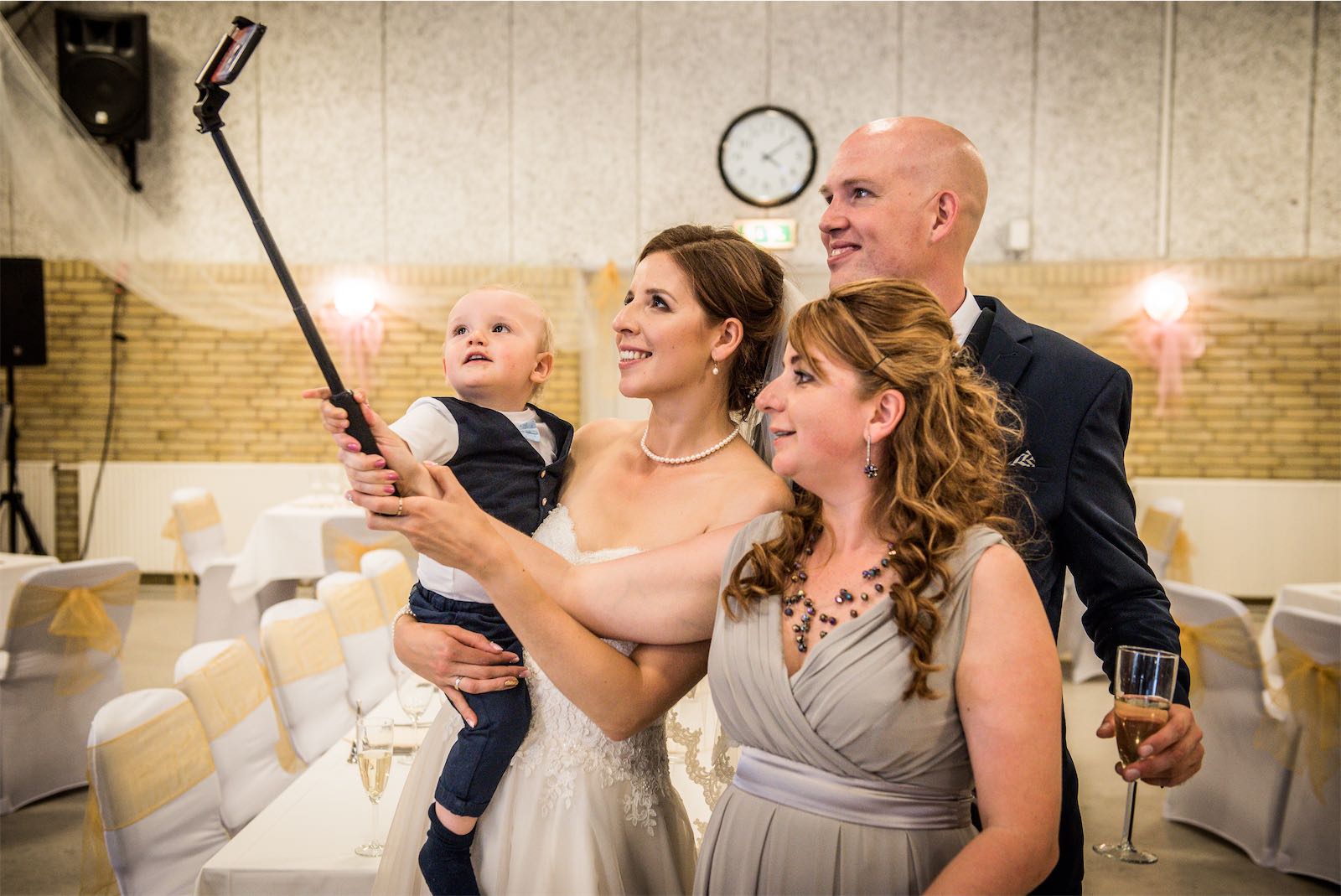
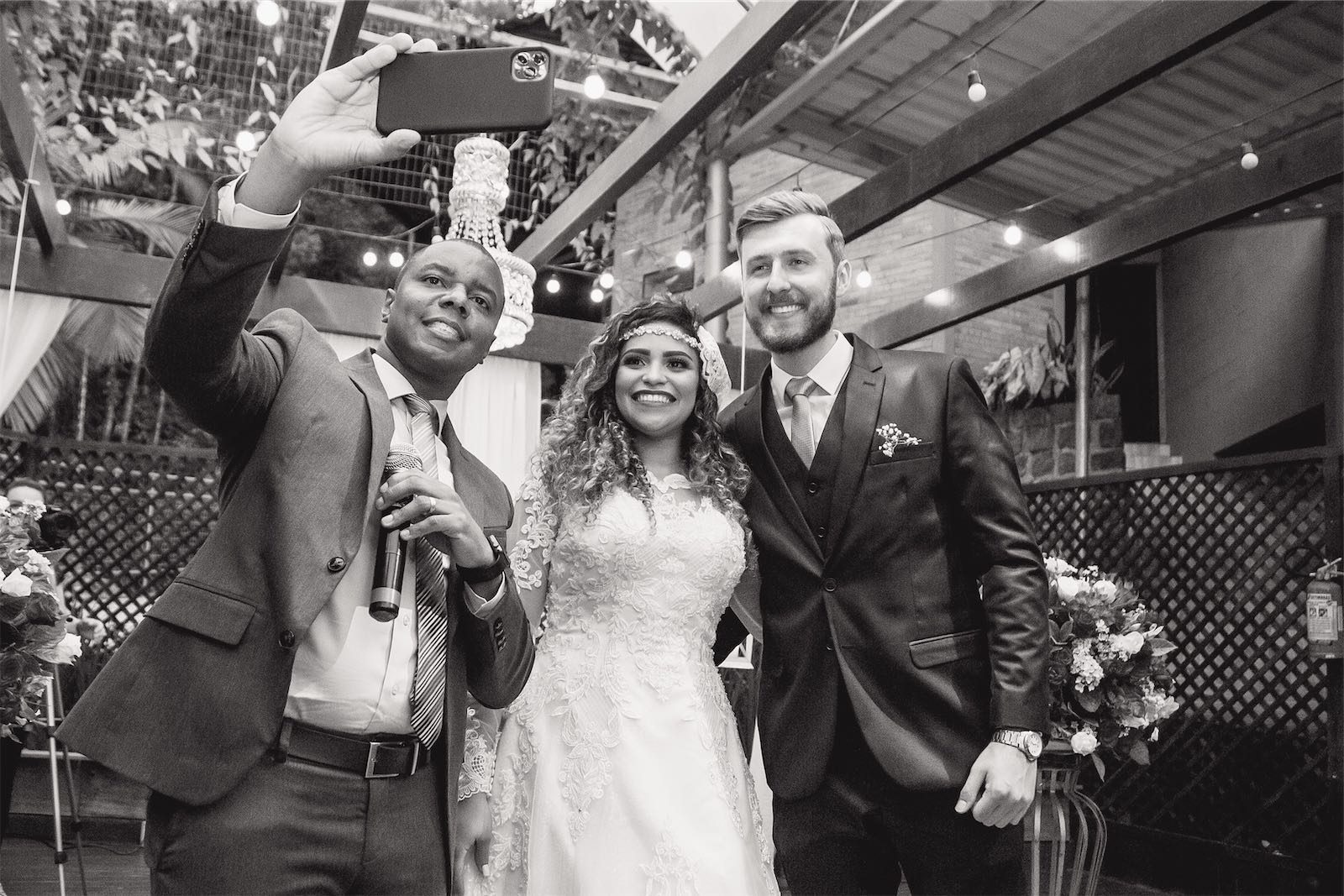
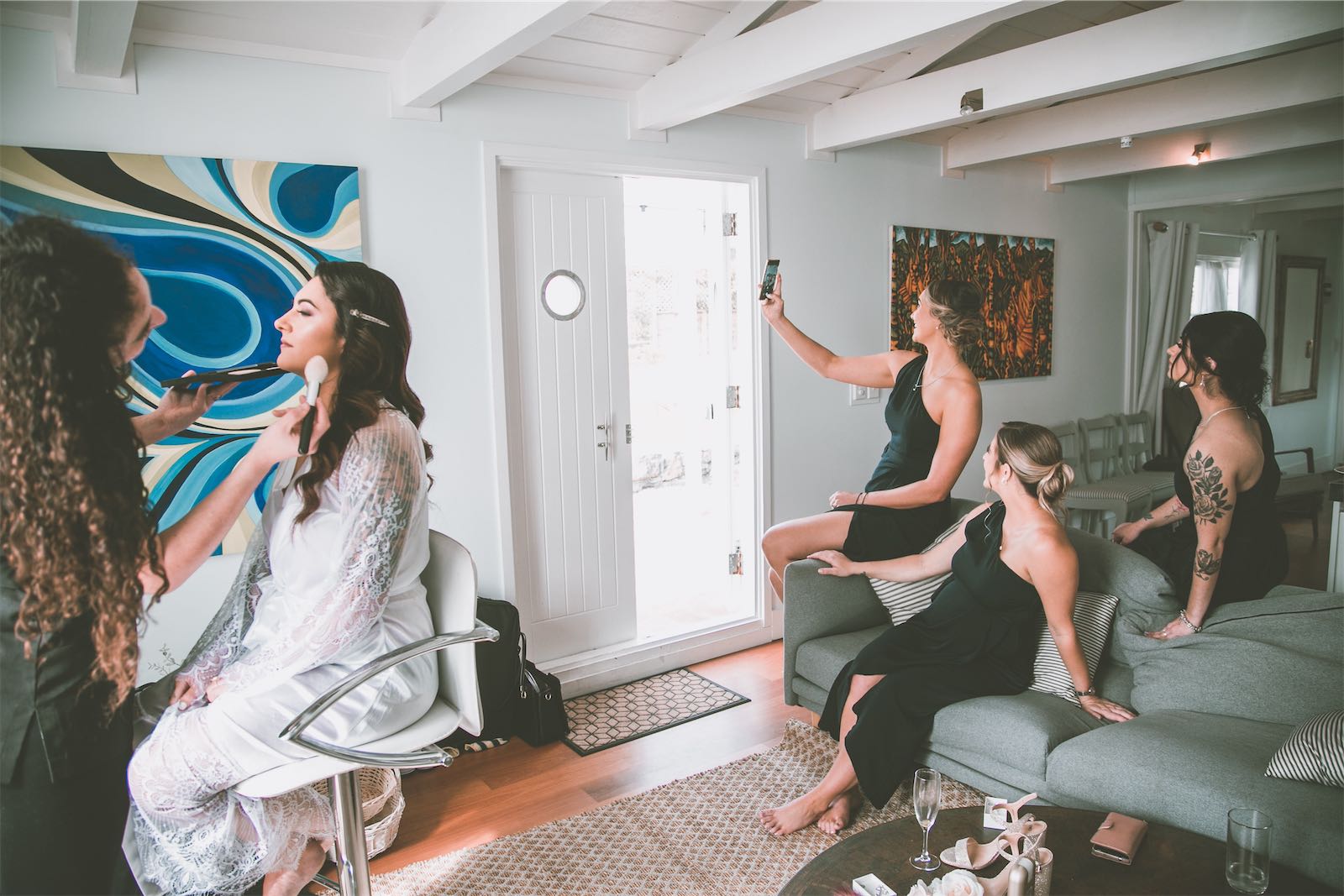
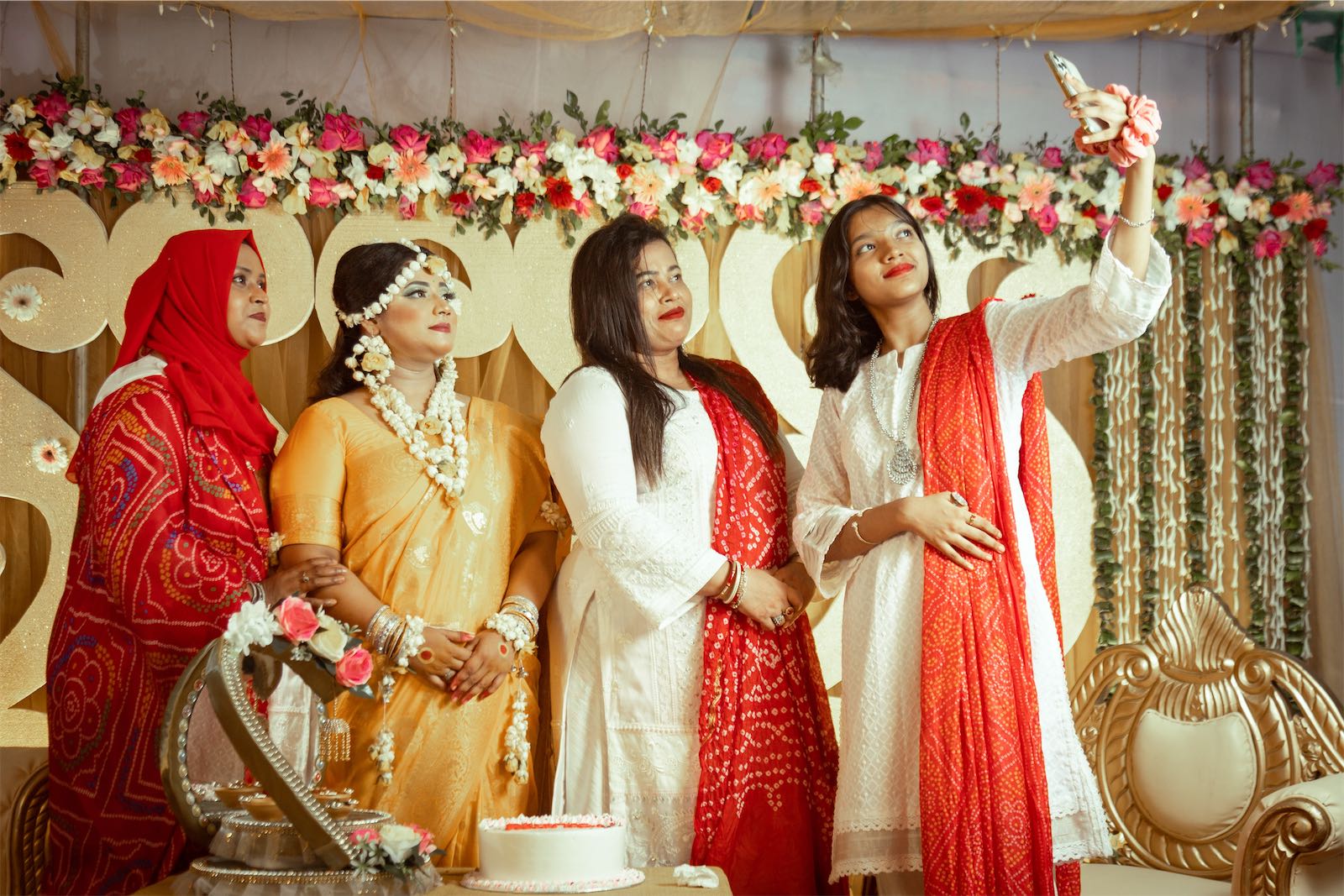
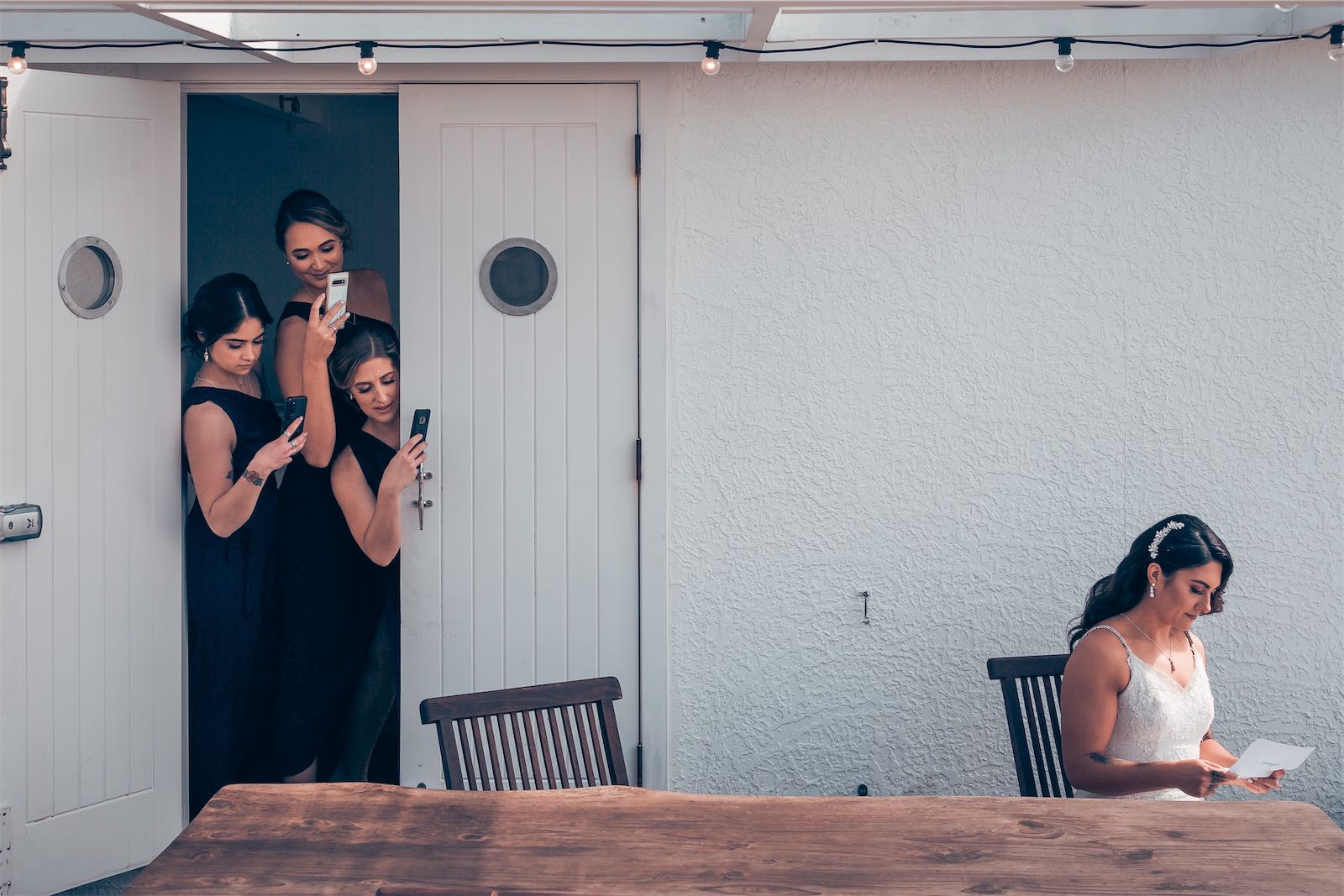
Candid Versus Posed Wedding Photo Styles
Candid vs. posed: wedding photo styles
Choosing between candid and posed wedding photos? The short version:
- Candid photos catch moments as they happen, with real expressions
- Posed photos are planned ahead and come out cleaner and more formal
- Most couples end up with a mix of both
Quick comparison:
| Aspect | Candid | Posed |
|---|---|---|
| Emotion | Raw, unguarded | Controlled |
| Setup | Minimal | Planned |
| Time needed | Throughout the day | Set-aside sessions |
| Best for | How the day felt | Portraits you frame |
What the choice comes down to:
- How comfortable you are in front of a camera
- Your venue and the kind of wedding you're having
- How much time you can give to photos
- Budget and guest count
Related video from YouTube
What makes each style different
Candid and posed wedding photography work in almost opposite ways. One waits for things to happen. The other arranges them.
What is candid photography
Candid photography catches real moments as they happen. The photographer stays out of the way and shoots while people get on with the day.
"Candid photos and organic moments are a mixture of naturally letting things happen, letting go of expectations, trusting your photographer, AND art direction." - Hannah Forsberg, Destination Wedding Photographer
The appeal is the unscripted feel. You might get:
- A tear rolling down dad's cheek during the ceremony
- Your best friend doubled over with laughter at the reception
- A quiet moment between you and your partner when you think no one is watching
These shots look spontaneous. The good ones usually aren't left to chance. A good candid photographer plans where to stand and when, so the moment finds them.
What is posed photography
Posed photography is directed. The photographer tells people where to stand, where to look, and what to do with their hands.
"We aren't working with models so don't expect them to pose like one. It also means that they expect guidance from us." - Jimmy Chan, Wedding Photographer
The photographer's job is to:
- Position everyone
- Get the lighting right
- Choose the backdrop
The result is the formal photo that ends up framed on your grandma's wall.
| Candid Photography | Posed Photography |
|---|---|
| Photographer blends in | Photographer directs |
| People act natural | People follow instructions |
| Catches unexpected moments | Creates planned shots |
| Shows raw emotions | Shows controlled expressions |
| Great for dance floor action | Good for family portraits |
Taking a closer look at candid photos
Candid photography is popular right now. A lot of couples want photos that show what the day was actually like, not a series of set pieces.
Real moments and raw emotions
Candid photos work when people forget the camera is there. Photographers who are good at this blend in and stay ready, because the moments they want are quick. A couple looking back at these photos should be able to remember what the moment felt like, not only what it looked like.
That might mean catching:
- A dad tearing up during the ceremony
- Grandma and grandpa sharing a quiet dance
- Kids being kids at the reception
- Friends hugging without being asked to
Photographers often use natural light instead of flash for these shots. Flash changes the room. They also move around a lot, since an unplanned moment rarely happens at a convenient angle. It helps to get involved in the day, almost like a guest with a camera, rather than standing apart from it.
ImageShout photo collection
While the pro works the key moments, guests take candid photos all day on their phones. Those photos usually stay on the phones. ImageShout collects them without asking anyone to download an app.
The couple gets a phone number, and guests text their photos to it. The photos land in one album:
| What it does | Why it helps |
|---|---|
| No app needed | More people join in, young and old |
| Collects photos as they come in | Candid moments are shared right away |
| Hosts can filter | Pick out the best candid shots |
| Long-term access | Photos stay available for 3 years |
Guest photos cover angles the pro can't be in. Couples can pick their favorites from them to sit alongside the professional album.
Taking a closer look at posed photos
Posed photography is planned and set up. It is how you make sure the people who matter are all in a photo together, and that everyone looks decent in it.
Setting up the perfect shot
A good posed photo takes direction. Photographers watch posture, hand placement, and expressions, and they adjust all three.
"The spine must always be straight and as tall as possible." - Roberto Valenzuela, Photographer
Some of the standard guidance: brides often look better shifting their weight to the back leg with the front knee bent, which gives a cleaner line. Hands need somewhere to go, in pockets, holding a bouquet, or resting on someone else.
| Pose element | Purpose | Technique |
|---|---|---|
| Body position | Create good lines | Bend front knee, shift weight back |
| Hand placement | Avoid awkward angles | Use props, pockets, or natural gestures |
| Facial expression | Get real smiles | Give clear, friendly direction |
| Lighting setup | Make features look good | Position people for the best light |
Managing group photos
Family formals usually happen right after the ceremony. Photographers work fast: about 30 minutes for the whole set, 2 to 4 minutes per group, which comes to roughly 12 to 15 combinations.
"It's best to start with the biggest group, then peel people off in layers. It gets really complicated when you're adding, then taking away, then swapping...and complication leads to more time taking portrait photos." - Jasmine Star, Wedding Photographer
To keep group photos moving, photographers often:
- Work from a shot list prepared ahead, using first names
- Start with the big groups and work down
- Position key family members first
- Use venue features like stairs to arrange people
- Set aperture between f/2.8 to f/5.6 so the whole group stays in focus
A helper or a family member who knows everyone is worth having here. They round people up, so the photographer can take pictures instead of herding guests.
"Taking good group photos makes for happier clients and guests." - Meg, Meg's Marvels Photography
sbb-itb-bded652
Pros of each style
Candid photography: catching real moments
Candid shots are good at:
- Catching real emotions and interactions as they happen
- Letting the day run without constant interruptions for photos
- Keeping people relaxed, which gives more natural expressions
"Candid photography does not cause any disturbance. It's this that contributes to such a relaxed atmosphere; guests and the couple don't have this constant feeling of the camera on them." - Derek Anson, Candid Wedding Photographer
Posed photography: creating timeless portraits
Posed shots have different strengths:
- They come out cleaner and more formal
- Every group combination you want actually gets taken
- Lighting and composition are under the photographer's control
"Posed wedding photos are often classic and artistic, providing you with the timeless shots that will look stunning in an album or framed on the wall." - Sarah Vivienne, Photographer
Comparing the styles
| Aspect | Candid | Posed |
|---|---|---|
| Emotional impact | Real reactions, spontaneous moments | Polished, formal images |
| Time needed | Minimal setup, ongoing coverage | Set-aside time for formal shots |
| Technical control | Works with the light and setting available | Full control over setup |
| Guest experience | More relaxed | Everyone is included in the formal shots |
The historical value of posed photos
Posed shots age into family records. They:
- Are the photos future generations will look at to see who was there
- Put everyone in one frame, in a way candids rarely do
- Become the prints that get kept and passed down
"The posed pictures have a palpable air of history and highlight my heritage in a way that the natural photos don't. But the natural pictures allow me to 'be there' in a way that the posed ones don't." - Sarah Vivienne, Photographer
Technical considerations
Posed shots give the photographer control over lighting, focus, and composition, so the technical quality is easier to get right. Candid work is a different skill: reading a room, guessing where something is about to happen, and working with whatever light is there. The results can't be recreated later, which is part of the point.
How to pick your style
The right mix depends on your priorities and on the wedding itself. Venue, guest count, and budget all change the answer.
What's your comfort level?
Camera-shy? Candid coverage asks very little of you. If you'd rather be told where to stand and know the shot is set up properly, you'll be happier with more posed work.
Money matters
Photography and videography take a real share of most wedding budgets, so the guest count matters here too. A smaller wedding can free up money to pay a photographer who does both styles well.
"You can have the most beautiful wedding in the world, but if the food is bad or guests are bored, that's all they remember." - Beth Helmstetter, Founder and Creative Director of Beth Helmstetter Events
Venue
The venue pushes the choice one way or the other:
| Venue type | Photography style | Why it works |
|---|---|---|
| Historic buildings | Posed | Makes the most of the building's features |
| Garden weddings | Mix it up | Natural backdrops plus formal portraits |
| Beach ceremonies | Candid | Catches spontaneous beach moments |
| Indoor ballrooms | Posed | Controlled lighting and a formal feel |
Time
Posed shots need time blocked out in the schedule. Candid photography happens alongside everything else and needs almost none.
"Having a plan for your wedding photoshoots, might sound silly. But to get in all the photos you are envisioning, it takes some planning and thought." - Complete Weddings St. Louis
Picking your photographer
Look hard at the portfolio, since that is the work you'll actually get. As Joseph Mark puts it: "To sum up there is no right answer here, some couples prefer the straightforward forward consistent nature of mostly directed work but others will be drawn to more of a mix between those portraits and true moments captured that show what is real."
Using both styles together
Most weddings use both, because the day itself has parts that suit each one.
"Expertly navigating the delicate balance between traditional group shots and candid moments allows couples to create an authentic and engaging visual narrative of their wedding day." - Antony R Turner, Professional Photographer
Vance Doeden puts it this way:
"Both candid and posed shots have their importance and place but in my book candid beats out posed shots as the producer of more emotion."
When to use each style
| Time of day | Style | How long | Why |
|---|---|---|---|
| Getting ready | Candid | 60-90 min | Catch the pre-wedding buzz |
| First look | Both | 30 min | Posed setup, real reactions |
| Family photos | Posed | 30-45 min | Get the formal shots you need |
| Wedding party | Both | 45-60 min | Formal poses plus looser candids |
| Ceremony | Mostly candid | 30-60 min | The ceremony happens once |
| Couple session | Both | 60 min | Posed portraits and natural moments |
| Reception | Mostly candid | 2-3 hours | The party documents itself |
A tip from Savvy Leigh:
"If you're open to it, I think it's a great idea to have a first look. It doubles the amount of frame-a-licious posed photos and calms the nerves."
If you want both, agree on a timeline with your photographer ahead of the day. A workable split is 45 to 60 minutes for wedding party shots and 30 to 45 minutes for family photos. That leaves the rest of the day free for candid coverage.
Guests fill in the gaps. With ImageShout, they text their candid shots to one number, so you get angles your photographer never saw.
Conclusion
There is no correct ratio of candid to posed. There is only the mix that matches how you want to remember the day.
"Your wedding photos are more than just images – they are memories you will cherish forever." - Björn Schreiber, Wedding Photographer
"Ultimately, the key to exceptional wedding photography lies in finding the right balance between candid and posed shots." - Traci Edwards, Photographer
Decide based on:
- Your wedding theme
- How much time you have for photos
- Which family group shots you need
- What style you and your partner like best
Then tell your photographer, and show examples you like from Pinterest or Instagram. Photographers can do both styles. They can't guess which one you'd regret missing.
FAQs
What's the difference between candid and posed wedding photos?
It comes down to whether the moment was arranged. Candid photos catch unplanned moments and real emotions. Wedding photographer Leeann Marie puts it this way:
"While the posed shots capture the milestone moments, candid photography catches the unexpected and heartfelt instances."
Tears during the vows. Laughter during the speeches. Dance floor photos nobody staged. Posed photos are planned ahead so the specific shots you want don't get missed.
Is candid better than posed wedding photography?
Neither one wins on its own. Professional photographer Shane Webber says:
"A skilled photographer will be able to capture both styles, ensuring your album is a perfect blend so you can reminisce about how your wedding looked and how it felt."
Posed photos cover the formal group shots and the images you know you want. Candid photos cover the emotions and the things nobody planned. Think about your own personality and the kind of wedding you're having, then talk through the balance with your photographer before the day.