How to Create a Perfect Wedding Photo Strategy Using Multiple Amateur Photographers
How to create a perfect wedding photo strategy using multiple amateur photographers
Here’s how to make it work:
- Save Money: Amateur photographers cost less but can still deliver great results.
- Get Variety: Multiple photographers capture different angles and candid moments.
- Plan Ahead: Create a clear timeline, shot list, and assign roles so nothing gets missed.
- Use Tools: Platforms like Pixieset and ImageShout help collect and organize photos easily.
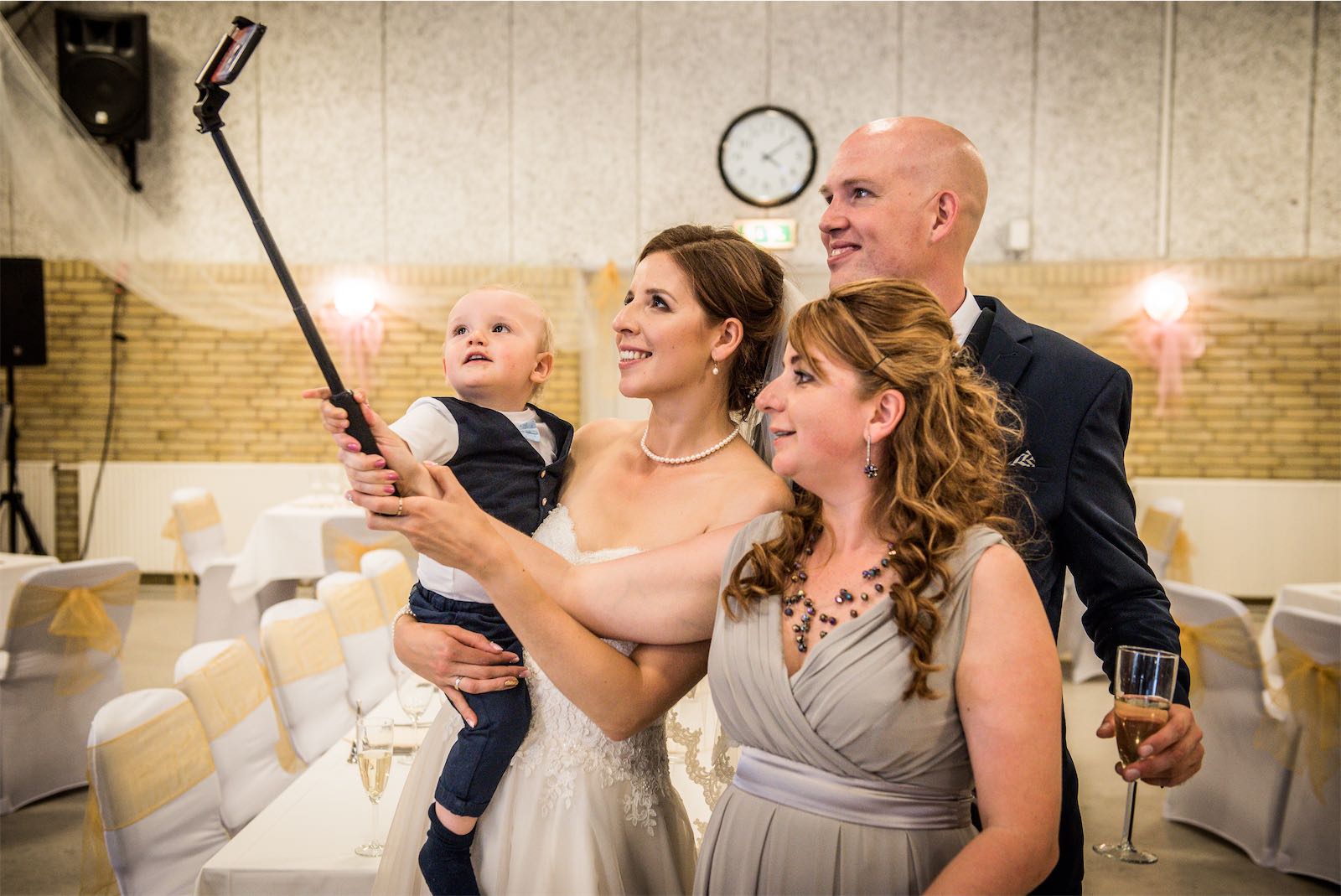
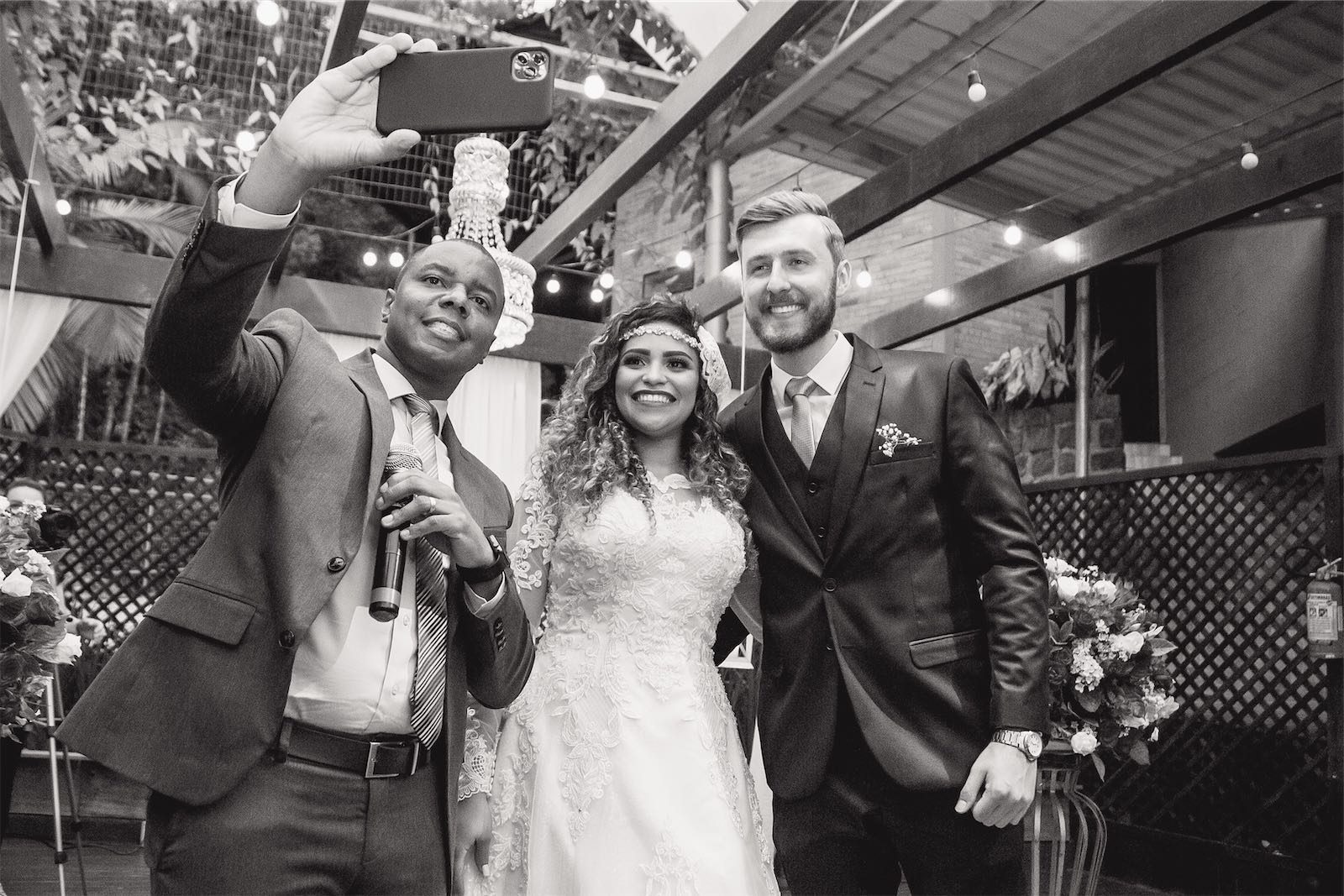
- Involve Guests: Guests can contribute unique photos you might not get otherwise.
The rest of this page is the plan itself: who shoots what, when, and where the photos end up. It is how you get a budget-friendly wedding photo collection without gaps in it.
Alternative wedding photography ideas when a professional isn't available
1: Planning your photography strategy
A clear plan is what keeps ten willing helpers from all photographing the cake while nobody photographs the vows.
1.1: Set photography goals and key moments
Start by creating a prioritized list of must-have shots. Here’s an organized breakdown to help:
| Priority | Moment Type | Key Shots |
|---|---|---|
| Critical | Ceremony | First kiss, ring exchange, walking down the aisle |
| High | Traditional | Family portraits, couple shots, wedding party |
| Medium | Reception | First dance, cake cutting, toasts |
| Flexible | Candid | Guest interactions, detail shots, venue features |
Shoot the critical list first. Candids fill in around it.
1.2: Create a detailed wedding day timeline
Break the day into manageable time blocks so photographers know exactly where to be. Tools like Trello and Google Calendar can make scheduling and task assignments easier. Share the finalized timeline at least two weeks in advance so everyone is prepared.
1.3: Scout the venue for photo spots
Visit your venue ahead of time to find the best photography locations.
1. Lighting Conditions
Identify areas with good natural light and note any tricky spots. Keep track of how lighting shifts throughout the day to plan accordingly.
2. Background Elements
Look for locations that offer:
- Clean, simple backdrops
- Unique architectural details
- Scenic outdoor areas
- Indoor options in case of bad weather
3. Technical Considerations
- Determine the best angles for important moments
- Spot potential obstacles to avoid
- Plan where photographers should stand during the ceremony
- Select areas for group photos
Share these details with your team in Wedbox or a shared doc. It matters most for your least experienced photographers, who would otherwise spend the day unsure where to stand.
2: Coordinating and assigning roles to photographers
2.1: Recruit and prepare your photographer team
Start by reaching out to friends or family members who have a good eye for photography and know their way around a camera. Look for people who:
- Are comfortable using manual camera settings
- Have their own decent photography gear
- Enjoy capturing memorable moments
- Can commit to being available during key parts of the day
Share a pre-wedding packet with venue details, a timeline, and a must-have shot list at least two weeks before the event. This gives everyone time to prepare.
2.2: Assign roles and areas to cover
Clear role assignments are how you make sure every part of the wedding gets photographed, from formal portraits to candid moments. Here's a simple way to divide responsibilities:
| Role | Primary Responsibility | Key Moments to Cover |
|---|---|---|
| Lead Photographer | Ceremony and formal portraits | First kiss, ring exchange, family photos |
| Second Photographer | Reception coverage | First dance, speeches, cake cutting |
| Detail Photographer | Venue and decor shots | Dress details, table settings, flowers |
| Candid Photographer | Guest interactions | Natural moments, dance floor fun |
With a tool like ImageShout, guests can contribute alongside your assigned team, which widens the net further.
2.3: Give simple photography guidelines
Even if your team has limited experience, they can still capture great photos by following a few basic tips:
1. Lighting Tips: Position subjects to face natural light whenever possible for better results.
2. Composition Basics: For portraits, shoot at eye level and make sure everyone's face is visible and well-lit in group shots. When taking candid photos, include enough background to tell a story.
3. Camera Settings: For indoor shots, set ISO between 400-800. Use an aperture of f/4.0-5.6 for group photos and keep the shutter speed at 1/100 or higher to avoid blur.
For easy photo sharing among your team, consider using Pixieset.
Sort out who outranks whom before the day. If a professional is part of the team, they designate the areas and moments the amateurs cover, and the amateurs stay clear of those shots. Agreeing on this in advance prevents most of the friction.
sbb-itb-bded652
3: Getting diverse and candid shots
3.1: Encourage real and natural moments
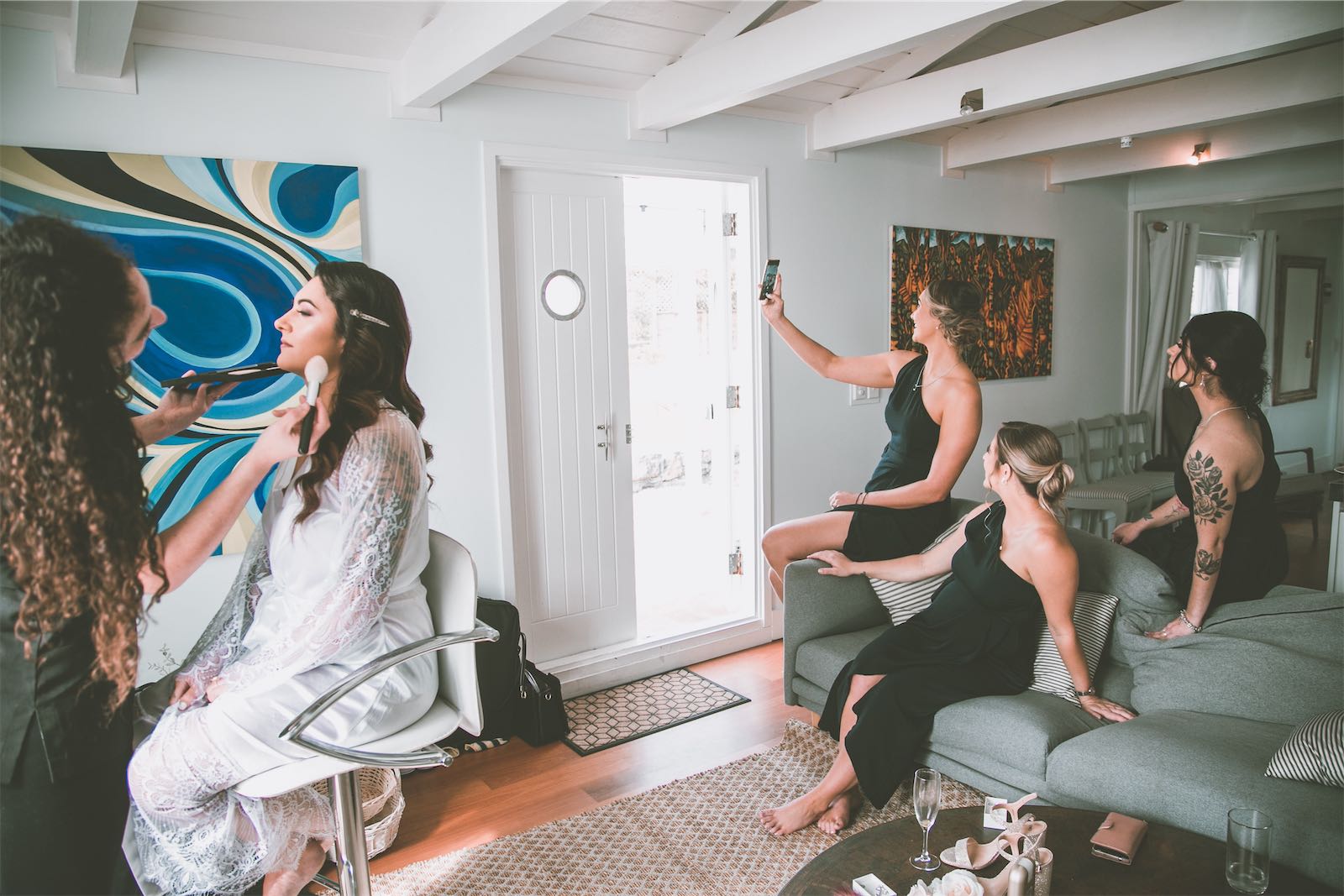
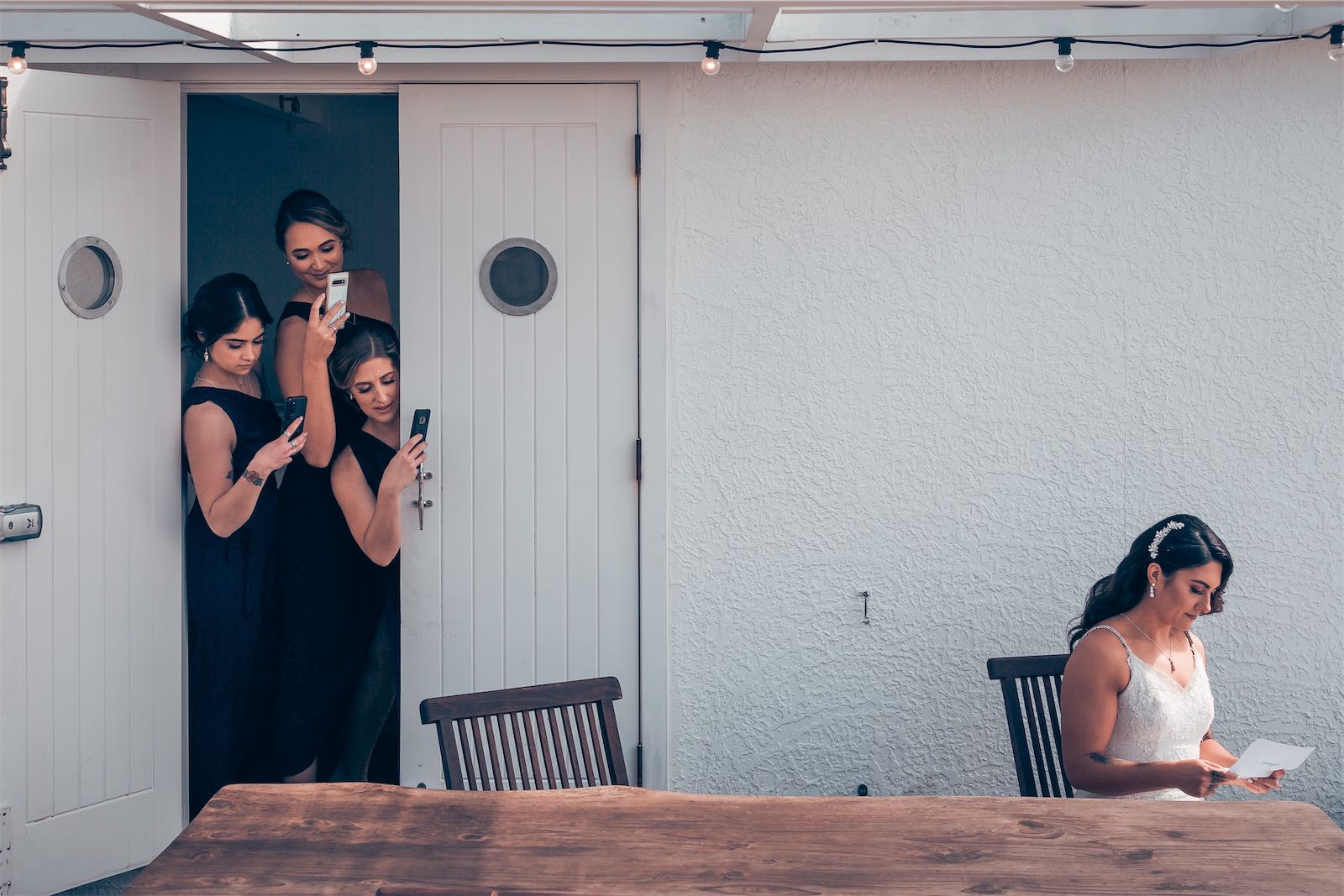
Ask photographers to dress like guests, blend in with the crowd, and move discreetly. Candid shots die the moment people notice a camera being aimed at them. The richest parts of the day for this are the getting-ready hours, guests' reactions during the ceremony, and whatever happens between the scheduled events.
3.2: Involve guests for broader coverage
Use a tool like ImageShout, which lets guests send in their photos by text. Guests often capture moments the assigned photographers miss, because they are sitting in the middle of them.
To manage guest photo submissions effectively:
- Create an account on the platform.
- Share clear instructions with guests on how to submit photos.
- Review and moderate the submissions for quality.
3.3: Experiment with angles and perspectives
Once basic coverage is handled, encourage photographers to experiment.
| Technique | Ideal Moments | Tips for Success |
|---|---|---|
| Overhead Shots | Dance floor, table setups, first dance | Use stairs or balconies for height. |
| Reflection Captures | Getting ready, venue details | Seek out mirrors or other reflective surfaces. |
| Ground-Level Views | Wedding dress details, first look | Keep the camera steady and focus on the subject. |
That is the whole argument for doing it this way: ten people with cameras simply see more of the day than one professional can.
To bring the photos together afterwards, tools like Adobe Lightroom can give images from different cameras a consistent look.
4: Organizing and curating the final photo collection
4.1: Tools for gathering photos
Photos from six different people will arrive in six different places unless you pick the tools first. Pixieset offers centralized cloud storage. ImageShout lets guests text photos directly, no app download required.
| Tool Purpose | Recommended Solution | Features |
|---|---|---|
| Photo Collection | ImageShout | Text-based submissions, 3-year hosting |
| Cloud Storage | Dropbox | File syncing, editing integration |
| Photo Management | Pixieset | Private galleries, secure sharing |
4.2: Editing and organizing the final gallery
Adobe Lightroom is built for this. Batch-edit with presets so photos from different cameras end up with consistent color, flag the standouts, and sort everything into categories like ceremony, reception, and candids before you start fine-tuning individual shots.
4.3: Sharing photos while protecting privacy
Decide who sees what before you share anything. Platforms such as Instaproofs let you build private galleries with different access levels, so the full set can stay family-only while guests get a smaller selection.
| Sharing Level | Access Group | Features |
|---|---|---|
| Full Access | Immediate Family | Download and editing rights |
| View Only | Extended Family | Viewing and commenting |
| Limited Time | Wedding Guests | 30-day access |
For the team itself, Wedbox works well: photographers upload straight into organized albums, under the same privacy settings as the final gallery.
Conclusion: capturing wedding memories without breaking the bank
Amateur photographers save money. They also see things a professional would miss, because they are inside the day instead of working around its edges. What they need from you is a plan: a shot list, assigned roles, and one place for the photos to land.
There is a second benefit beyond the money. When loved ones document the day, the wedding photography becomes a shared project, and it shows in the pictures.
Tools like ImageShout ($75 one payment, with your album hosted for three years) handle the collecting. The system is text-based, so guests who aren't tech-savvy can still contribute.