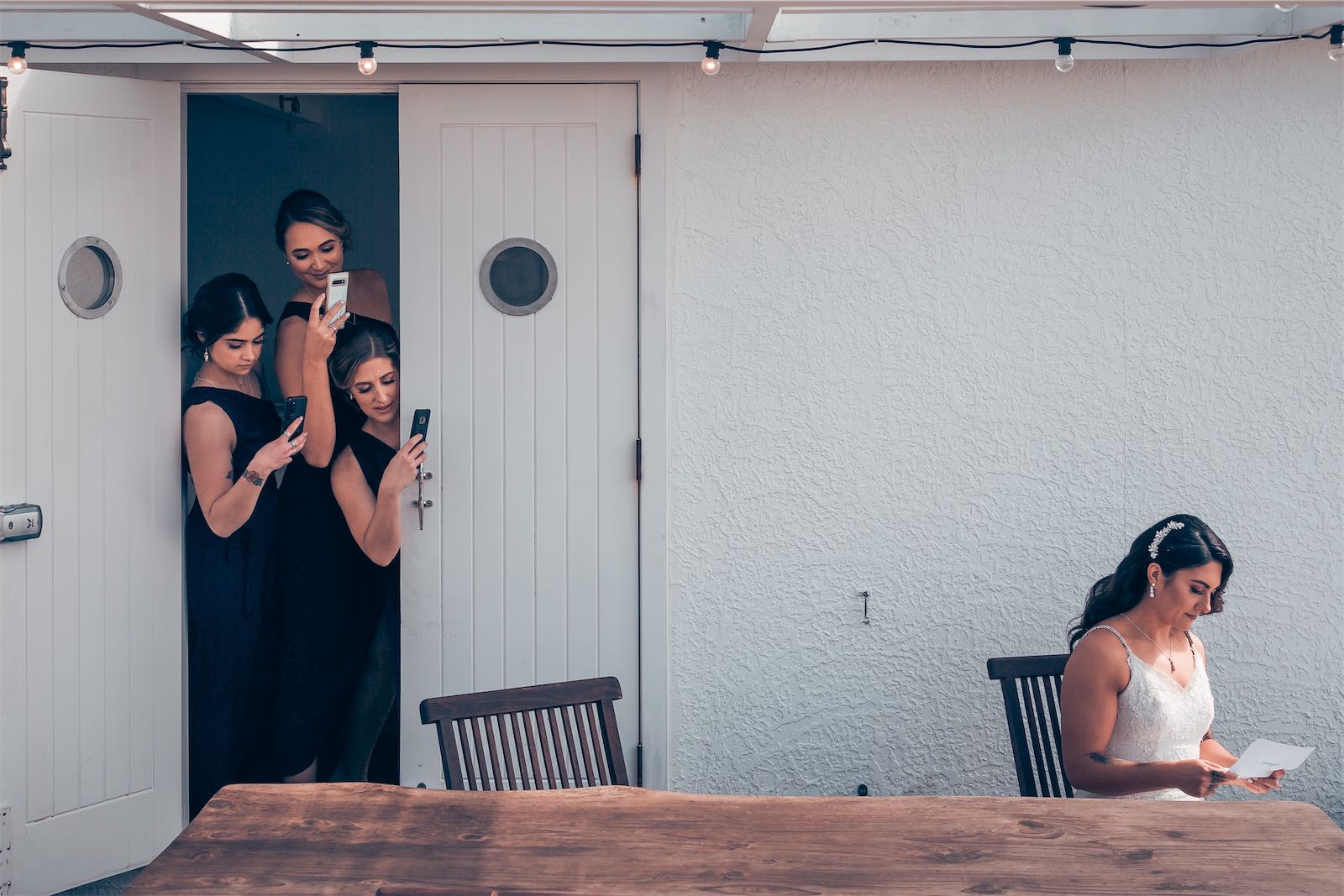
Ultimate Guide to Wedding Photo Negotiations
Ultimate Guide to Wedding Photo Negotiations
Wedding photography takes a real share of most wedding budgets, and the quoted price is rarely the final price. Negotiation works best when you cut things you do not need instead of asking the photographer to earn less for the same work. The short version:
- What drives the cost: location, experience, and when you book.
- Average costs: basic packages start around $1,000, premium ones go past $10,000.
- Negotiation strategies: book off-peak dates, trim the package, or offer early payment.
- Budget-friendly alternatives: fewer coverage hours, associate photographers, or crowdsourced photo services.
Start 6 to 12 months out, know which parts of the package you actually care about, and read the contract before you sign. The rest of this guide is the detail.
3 tips for wedding photography pricing strategies
Factors influencing wedding photography costs
Price comes from a handful of factors. Know them and you know where the room to negotiate is.
Key pricing factors
Three main factors influence photography rates: location, experience, and booking timing. Photographers in big cities often charge 20-30% more than those in smaller towns. Similarly, seasoned professionals may charge 2-5 times more than beginners. For example, a mid-range package in Manhattan might cost around $5,000, while the same package in a smaller city could be closer to $3,000.
Typical costs for packages
According to The Knot's 2024 Real Weddings Study, the national average for wedding photography is $2,750. Actual prices swing a lot with what is included:
| Package Level | Price Range | Typical Inclusions |
|---|---|---|
| Basic | $1,000-$3,000 | 6-8 hours of coverage, digital files |
| Mid-Range | $3,000-$5,000 | 8-10 hours of coverage, engagement session, album |
| Premium | $5,000-$10,000+ | Full-day coverage, multiple photographers, premium albums |
Contents of standard packages
Add-ons are where packages quietly get expensive:
| Add-On Service | Typical Cost |
|---|---|
| Second Shooter | $500-$1,000 |
| Engagement Session | $300-$700 |
| Extra Coverage Hours | $250-$500/hour |
| Premium Wedding Album | $500-$2,000+ |
| Drone Photography | $300-$700 |
Post-processing is the other big cost. Photographers usually spend 3 to 4 hours editing for every hour they shoot. Rush delivery, inside three weeks, typically adds 10-20%. The flip side: a flexible deadline is worth money. Offer one and ask for a lower rate.
Steps to negotiate with wedding photographers
Timing for negotiations
Start discussing pricing during your initial consultation or soon after receiving a quote, ideally 6-12 months before your wedding. Photographers are often more flexible with their schedules and pricing when approached early.
Tone matters more than couples expect. Frame requests positively and show you value the work, and the conversation goes better from there.
Effective negotiation strategies
Aim for a deal that works for both sides. Show real appreciation for their work before you bring up budget, and say the budget number out loud instead of hinting at it.
| Strategy | Savings | Approach |
|---|---|---|
| Off-Peak Booking | 20-30% | Opt for weekday or off-season dates |
| Package Customization | 15-25% | Remove extras you don’t need |
| Advance Payment | 5-10% | Pay the full amount upfront |
| Coverage Duration | 10-15% | Shorten hours but cover key moments |
Photographers bend more for couples who treat the negotiation as a partnership: clear about the budget, specific about what they can give up, appreciative about the work.
Common negotiation mistakes to avoid
Watch for these in a photographer. Any one of them is a reason to keep looking:
- Pressure tactics: rushed to decide without time to think.
- Poor communication: slow replies, vague answers about what is included.
- Inflexibility: will not adjust a package at all.
- Unprofessionalism: dismissive of reasonable requests.
Consider offering value in exchange for adjustments:
| Value-Add Option | Benefit to Photographer | Benefit to Couple |
|---|---|---|
| Referral Agreement | Potential new clients | Reduced pricing |
| Social Media Features | Boosted online visibility | Extra coverage time |
| Testimonials | Marketing material | Possible package upgrades |
Off-season and weekday dates are where discounts live, for a simple reason: a photographer would rather book a slow date at a lower rate than leave it empty.
sbb-itb-bded652
Budget-friendly alternatives to traditional photography
Three ways to cut the photography bill:
Reducing coverage or services
Cutting coverage hours or skipping extras like physical albums saves real money:
| Service Option | Savings | What It Means |
|---|---|---|
| Reduce Coverage (8 to 6 Hours) | $520-$650 | Focus on the ceremony and key reception moments |
| Digital-Only Package | $300-$800 | Skip printed albums; create them later yourself |
| Single Photographer | $400-$600 | Ideal for smaller, more intimate weddings |
Shorter coverage only works with a tight timeline. Plan the day well and the essential shots fit into 6 hours instead of 10.
Using crowdsourced photo services like ImageShout
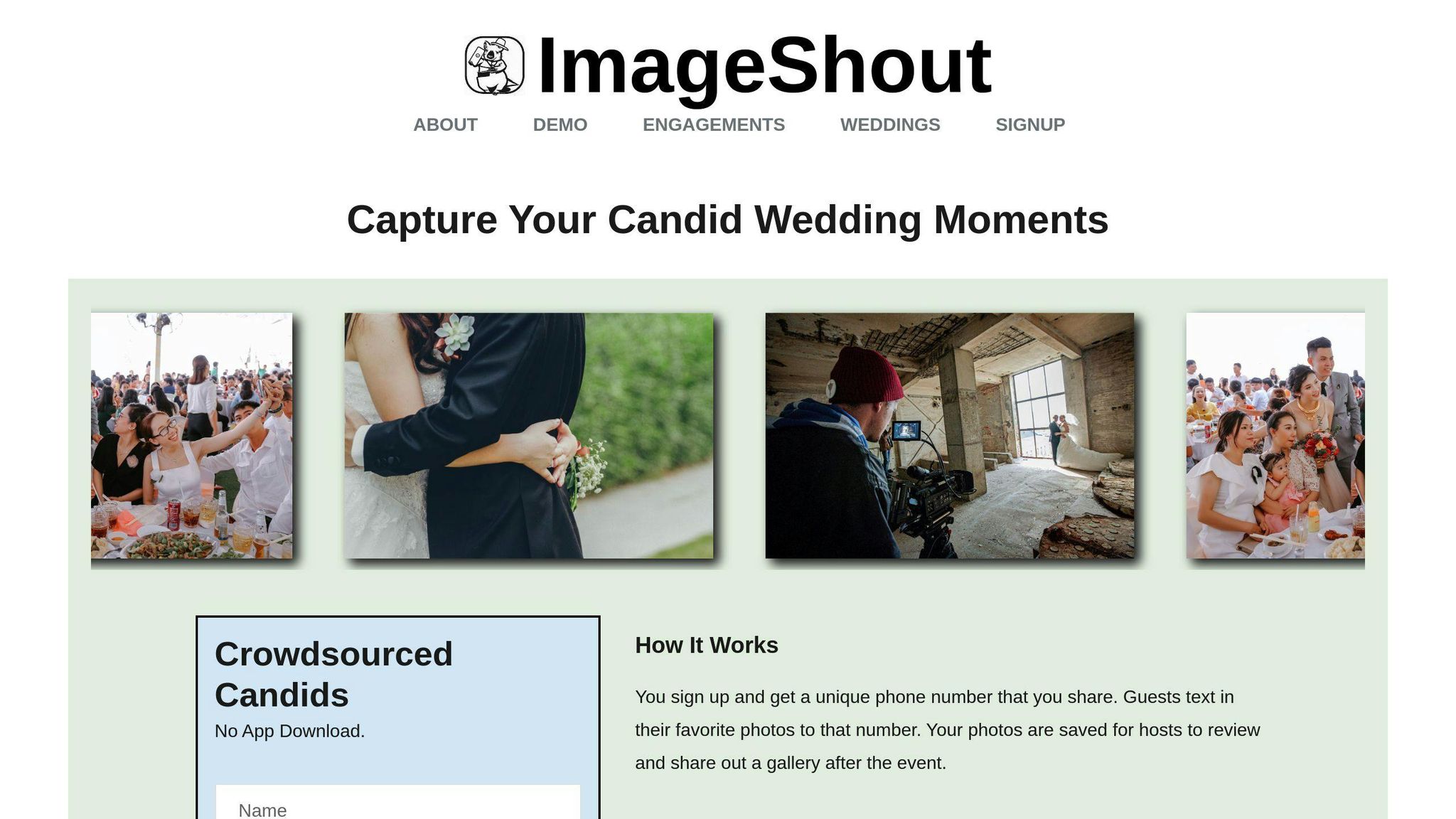
ImageShout is the cheap add-on. Guests text their photos to a dedicated number, no app needed. Classic Wedding is $75, one payment, for unlimited guest photos. It works for guests of any tech level, including the ones who still print their emails.
Hiring associate photographers
Associate photographers shoot for an established studio at lower rates. You get studio-backed work without paying for the name on the door.
| Photographer Type | Cost | Quality Level |
|---|---|---|
| Principal Photographer | $3,000 | Top-tier work |
| Associate Photographer | $1,500-$2,100 | Professional, studio-backed |
| Second Shooter | $1,000-$1,500 | Supervised by lead photographer |
Finalizing your wedding photography agreement
Reviewing contracts
Read the contract before signing, and get every verbal promise into it. Agreements that are not written down tend to evaporate. Check these clauses:
| Key Clause | Purpose |
|---|---|
| Service Details | Describes coverage hours, locations, and the number of photographers. |
| Deliverables | Lists the number of photos, delivery format, and timeline. |
| Copyright Terms | Explains usage rights and printing permissions. |
| Cancellation Policy | Outlines refund and rescheduling terms. |
A clear contract protects both sides. If a term is unclear, ask before you sign, not after.
Understanding payment terms
Then the payment schedule. Most photographers use a structured plan like this:
| Payment Stage | Typical Amount | Timing |
|---|---|---|
| Booking Deposit | 25-50% | Due at contract signing |
| Progress Payment | 25% | 3-4 months before the wedding |
| Final Balance | Remaining amount | 1-2 weeks before the wedding |
The contract should spell out:
- Accepted payment methods
- Late fee policies
- Any potential extra charges
- Discounts for early payment
If overtime coverage is a possibility, ensure the contract specifies:
- Hourly rates
- Minimum time increments
- Payment deadlines
Conclusion: balancing budget and memories
Key negotiation tips recap
Start 9 to 12 months out if you can. Early booking means more photographers available and more off-peak dates to bargain with. The short version:
| Strategy | Benefit |
|---|---|
| Early Booking | Increases photographer availability and access to early-bird discounts |
| Package Customization | Lets you tailor services to get the most value |
| Coverage Duration | Ensures key moments are captured without paying for unnecessary time |
Considering alternative options
Or go hybrid: pay the pro for the parts only a pro can do, and let guests cover the rest.
Book the pro for the ceremony and first dance, let guests handle the candid moments, and take digital delivery instead of a printed album. That combination covers the day for a lot less.